We need to start to get together and realize that it is the time to stop these clowns from lying to our faces about where we live. NASA is a fraud. Space Flight is Science Fiction and the globe ball spinning mass of tilt is a total make believe fairy tale that people eat and eat and ask for seconds.
You cannot live on a globe. It is not possible. Sure, they tell you it is and ascribe the magic sauce gravity to it and hope it is all better. But for those of us who have brains... we know better don't we?
The Earth is a globe? Haha.... I think not
Join us live MONDAYS at 6:00pm PST for GLOBEBUSTERS
Join us live TUESDAYS at 6:00pm PST for ISS LIVE from GLOBEBUSTERS
EMAIL: jeranism@yahoo.com
SITE: http://jeranism.com
CHAT: chat.jeranism.com
FACEBOOK: http://facebook.com/jeranism
TUMBLR: http://jeranism.tumblr.com
TWITTER: http://twitter.com/jeranism
PAYPAL: All of my videos are free but I appreciate and depand on the generosity of those who see value in the work I do. If you can spare anything towards helping me make more videos exposing the dogma, I'd be so grateful. PayPal: jeranism@yahoo.com
Peace to All. Thanks for watching!
-~-~~-~~~-~~-~-
NASA Going Nowhere Since 1958: A simple film that explores NASA and its history with the Presidents of the United States. Please support if you enjoy this content. Like and Share! Enjoy the film!
💡Enjoying My Work? I could use your support so that I can continue doing what I have been... asking questions others are afraid to. The support option is provided for those who see value in what I am doing and would like to help. Thank you to those who have supported me thus far.
➕PLEASE NOTE
My videos are my personal opinion and only that. You may have a different opinion. If you don't like hearing my opinion on the matter, don't watch. If you make a comment and it doesn't show up, it was most likely deleted because of one of the following reasons:
☑️ It was useless
☑️ It was a personal attack or name calling or about my family
☑️ It was an appeal to authority or a straw man argument
☑️ It contained excessive profanity or unrelated nonsense
☑️ You have no avatar or channel history
☑️ You have a fake account
☑️ You dropped a link with no explanation of what it is to
☑️ You are spamming the same comment on other videos
I don't have time to go through comment by comment. I wish I could but I cannot. So if yours is accidentally deleted or deleted unjustly, I apologize... try again.
Thanks for watching my videos!
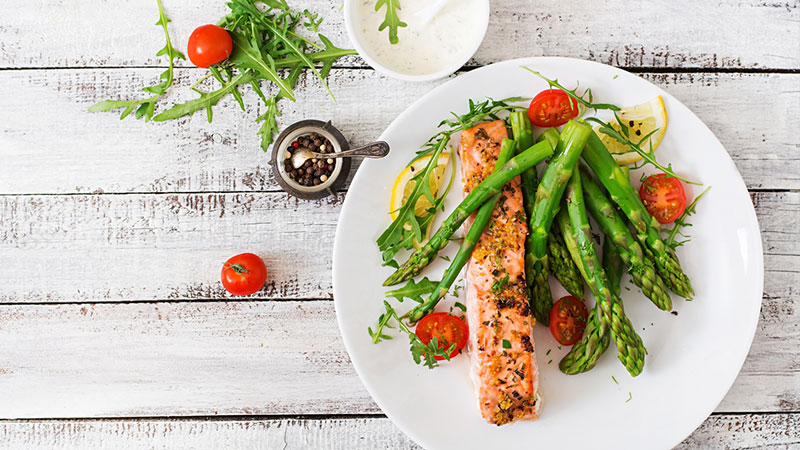
Fish
is a good source of protein and, unlike fatty meat products, it's not
high in saturated fat. Fish is also a good source of omega-3 fatty
acids.
Omega-3 fatty acids benefit the heart of healthy people,
and those at high risk of — or who have — cardiovascular disease.
Research has shown that omega-3 fatty acids decrease risk of arrhythmias
(abnormal heartbeats), which can lead to sudden death. Omega-3 fatty
acids also decrease triglyceride levels, slow growth rate of
atherosclerotic plaque, and lower blood pressure (slightly).
Go Fish (At Least Twice a Week)
The American Heart Association recommends eating fish (particularly fatty fish) at least two times (two servings) a week.
Each serving is 3.5 ounce cooked, or about ¾ cup of flaked fish. Fatty
fish like salmon, mackerel, herring, lake trout, sardines and albacore
tuna are high in omega-3 fatty acids. Increasing omega-3 fatty
acid consumption through foods is preferable. However, those with
coronary artery disease, may not get enough omega-3 by diet alone. These
people may want to talk to their doctor about supplements. And for
those with high triglycerides, even larger doses could help. Patients
taking more than 3 grams of omega-3 fatty acids from capsules should do
so only under a physician’s care. High intakes could cause excessive
bleeding in some people.
Eating fish, is there a catch?
Some
types of fish may contain high levels of mercury, PCBs (polychlorinated
biphenyls), dioxins and other environmental contaminants. Levels of
these substances are generally highest in older, larger, predatory fish
and marine mammals.
The benefits and risks of eating fish vary depending on a person’s stage of life.
Children
and pregnant women are advised by the U.S. Food and Drug Administration
(FDA) to avoid eating those fish with the potential for the highest
level of mercury contamination (e.g., shark, swordfish, king mackerel or
tilefish); to eat up to 12 ounces (two average meals) per week of a
variety of fish and shellfish that are lower in mercury (e.g., canned
light tuna, salmon, pollock, catfish); and check local advisories about
the safety of fish caught by family and friends in local lakes, rivers
and coastal areas.
For middle-aged and older men and
postmenopausal women, the benefits of fish consumption far outweigh the
potential risks when the amount of fish are eaten is within the
recommendations established by the FDA and Environmental Protection
Agency. Eating a variety of fish will help minimize any potentially adverse effects due to environmental pollutants.
Five of the most commonly eaten fish or shellfish that are low in
mercury are shrimp, canned light tuna, salmon, pollock, and catfish.
Avoid eating shark, swordfish, king Mackerel, or tilefish because they
contain high levels of mercury.
Thanks to Evita Ochel of EBTV for the wonderful interview covering topics ranging from spirituality and science, to health and veganism, to conspiracies and the flat Earth.
I’ve
talked about scores of different cancer-fighting foods through the
years, but few come close to the powerful, all-round stellar effects you
can get from beans.
They’re cheap, versatile, and pack a wallop against just about every type of cancer there is.
Yet
they don’t have the best reputation, thanks to their tendency to cause
intestinal gas. There are ways around that – more on this later. And – a
more appetizing prospect – there are delicious ways to include them in
your daily diet than you never thought of You can even insert them into
treats like brownies and ice cream, believe it or not.
Beans versus legumes
A lot of people seem to wonder about the difference between beans and legumes. Well, beans are legumes.
The word “legumes” encompasses seeds, pods, and any other edible part
of a leguminous plant that’s used as food. A leguminous plant is fancy
wording for a member of the pea family.
Legumes
comprise beans, peanuts, peas, and lentils. Beans are the most common
variety of legumes out there, and include the following common
favorites:
Adzuki beans
Black beans
Soybeans
Anasazi beans
Fava beans
Garbanzo beans (commonly known as chickpeas)
Kidney beans
Lima beans
Beans
are easy to find at markets around the world. They’re high in protein
and energy and low in fat. They can be incorporated into a wide variety
of foods, everything from being tossed in with salads to being used as a
meat substitute for dishes like chili or meatloaf.
The far-reaching benefits of beans
Conclusive
data shows that beans, thanks to their high levels of antioxidants,
phytochemicals, fiber, and micronutrients, offer a terrific blend of
anti-cancer properties. In particular, regular bean consumption appears
to protect against colorectal, breast, and prostate cancer.
In
one far-reaching study, researchers examined data from 41 countries and
found that beans definitively help stave off all three types of cancer.
Eat beans and your risk of dying from each goes down.
Bean
benefits go beyond that. They’re also known to drop bad cholesterol
levels. And around the globe, legume consumption appears to be one of
the most important predictors of longevity. In a study published in the Asia Pacific Journal of Clinical Nutrition, researchers found a whopping eight percent reduction in early death for every two tablespoons eaten daily.
Unusual ways to add beans to your diet
According to Dr. Michael Greger, author of How Not to Die and
advocate of a whole-foods, plant-based eating plan, you’ll be at
optimal nutritional potential if you can manage to get three servings of
beans a day. (This includes straight beans, lentils, and peas.)
His
opinion is just a short step up from one of the most comprehensive
analyses ever conducted on diet and cancer and published by the American
Institute for Cancer Research in 2007. They recommended legumes or
whole grains with every meal.
To make that feasible, here are some creative ways to incorporate beans into every meal of the day:
Mix any type of bean into burgers in place of ground meat
Puree a can of cannellini beans and add them to your morning oatmeal
Add chickpeas or cannellini beans to your morning smoothie (it’s a lot better than manufactured protein powder!)
Blend black beans into your cake or brownie recipe (just cut the required flour in half)
Use hummus in place of condiments like mayonnaise, ketchup, and tartar sauce
Mix black beans into your scrambled eggs
Throw beans into any kind of burrito or taco mixture
Sprinkle them into any kind of green salad
Put them on top of any pasta and sauce combination
Eat beans on toast (it’s a lot like peanut butter toast)
Smear hummus on your bagel in place of cream cheese
If you can’t say no to a burger, put a handful of beans right there on top with your pickle and tomato
Ditch the sour cream dip and potato chips for blended and seasoned bean dip with bean-based chips
Add beans to any soup or casserole recipe
Make
a healthy version of a quesadilla by toasting a corn tortilla, then
mashing canned beans on top with a fork and adding a bit of salsa
And if you want to make things more comfortable…
Now
for the flatulence problem. Here’s something interesting… in studies on
the subject, dairy appears to be a much larger offender for creating
flatulence than beans ever could be. I found that surprising.
Other
research found that when people did report flatulence as a result of
eating beans, it went away by the second or third week of eating them on
a regular basis.
One
explanation may be that your body finds balance after a few weeks of
eating beans. Beans have indigestible sugars that can act as prebiotics
in your colon, feeding your good bacteria, and promoting colon health
(not to mention protecting you from colon cancer!).
If
you’re not open to the two-to-three week experiment, try soaking your
beans overnight in a gallon of water mixed with a quarter teaspoon of
baking soda, then drain and cook as needed. Or, if you boil your beans,
toss out the water you cook them in. This should help lower any
gas-creating effects.
If
time and convenience dictate that you buy canned beans instead of
cooking your own, you’re in luck. Unlike canned vegetables, canned beans
are just as healthy as the home-cooked variety.
But
there’s one hang-up to the canned version: high sodium. So much salt
gets added to canned beans, the sodium levels are one hundred times more
than if you cooked them at home without salt. I don’t worry about salt
myself, but if it’s a concern for you, canned beans may be out.
One
alternative is to drain and rinse your canned beans, which gets rid of
at least half the sodium. But you also rinse away nutrition – that
thick, liquid-like mixture canned beans sit in is packed with nutrients.
Your best bet is to buy no-salt beans whenever possible, and to
incorporate the nutritious liquid into whatever you’re cooking.
Remember, beans are cheap. One study from the Nutrition Journalshowed
spending just 50 cents more per day on healthful foods like beans could
bring a ten percent drop in mortality. Seems like a small price to pay
for such a massive health gain.
Grab your hatchet, a bag, a sexy photographer and go mushroom hunting in a forest near you, to discover one of nature's most healing, immune boosting superfoods, Chaga Mushroom (inonotus obliquus).
Shane Tyler Milson teaches you the BASICS you'll need to know when chaga mushroom hunting, answering questions like;
- What does chaga looks like?
- How to harvest Chaga Mushroom from living birch trees?
- How much of the mushroom should I pick?
- What health benefits is Chaga known for?
If you want to learn more about how to sustainably harvest Chaga Mushrooms, then please read this article on the 3 things you'll need to know when you go foraging: https://blackmagicalchemy.com/blogs/s...
If you want an artisan handcrafted chaga product recommendation then check out my company Black Magic Alchemy. We create something known as the "Wild Harvested Chaga Rootbeer Elixir" - which is truly a labor of love, a process that we see through entirely from tree to bottle, to that first activating taste.
As a family run business, we sustainably harvest every rare wild chaga mushrooms with our own bare hands in the most pristine & remote forests of Ontario, Canada, like the one in this video here.
We bless each tree with words of gratitude before foraging, often lighting a palo santo/sage and only taking a small piece of mature mushrooms allowing for regeneration of this precious superfood.
Following precise lunar cycles we extract the chaga mushrooms from the hunt with ancient medicinal wild & organic roots, barks & berries to create a root beer flavored elixir alchemized to activate your pineal gland, sexify your skin & norishes the immune system, liver and brain health.
The elixir has became a featured product on the menu & shelves of companies such as:
- Erewhon Markets, Cafe Gratitude Restaurants & Equinox Fitness Clubs in Los Angeles, California,
- Nature's Emporium, The Big Carrot & Fresh Restaurants in Toronto, Canada
- Nike Design Studio's in Portland, Oregon
.
The Health benefits of Chaga Mushroom have been well studied, showing it to be one of the best immune boosting superfoods, enhancing skin glow/vibrancy, detoxing the liver, improving brain health & being anti-viral, anti-bacterial and offering a significant dosage of:
- Antioxidants (Melanin, Polyphenols)
- Minerals (Zinc, Potassium, Magnesium, Selenium, Iron)
- Enzymes (Super-oxide Dismutase)
- Therapeutic agents (Betulin and Betulinic acid)
- Immune-modulators (Beta-D-Glucans, Polysaccharides & Triterpenes)
This Immune boosting, sexifying & intuition activating Chaga syrup can be used to supercharge your energy levels, clear brain fog & enhance the flavor of foods, drinks & desserts.
Check out the Chaga Rootbeer Elixir Syrup: https://blackmagicalchemy.com/ and use discount promo code "SHROOMIE" to save yourself 15% on your first order!
Stay wild,
x Shane Tyler Milson
Chaga Mushroom: 5 Health Benefits of this Ancient Remedy
A common star of mushroom coffee and mushroom tea, the
chaga mushroom is loaded with impressive health benefits. It actually
has one of the highest ORAC scores of any food! Why is this a good
thing? ORAC stands for “Oxygen Radical Absorbent Capacity.” The higher
the ORAC value,
the better a food’s ability to protect the body from disease-causing
free radicals. It also means that chaga mushrooms are one of the best
sources of antioxidants, with an ORAC value of 146,700. (1)
So why exactly does anyone want to add chaga mushroom to their diets?
People have been known to take chaga mushroom (often shortened to just
“chaga”) for heart disease, diabetes, liver disease, parasites, stomach
pain, and certain types of cancer. (2) Let’s talk more about possible chaga mushroom benefits and why there’s so much buzz about disease-fighting mushrooms these days.
Chaga Mushroom Plant Origin and Nutrition Facts
Chaga (Inonotus obliquus) is a type of fungus. It mainly grows on the outside of birch trees in very cold climates. Chaga
mushrooms grow wild in places like Siberia, northern Canada, Alaska,
and some northern areas of the continental United States. What do chaga
mushrooms look like? They tend to be lumpy with an exterior that looks
similar to burnt charcoal.
Chaga mushrooms really are most impressive for their antioxidant
content. However, their nutrition content isn’t super impressive. But
you can see below that chaga mushrooms are low in calories, very high in
fiber and free of fat, sugar and carbohydrates.
Five grams of chaga mushroom contains about: (3, 4)
5 calories
0 grams fat
0 grams carbohydrates
0 grams sugar
5 grams fiber (20 percent DV)
1 gram protein
5 Health Benefits of Chaga Mushroom
1. Prevent and Treat Cancer
According to the Memorial Sloan Cancer Center, “Laboratory and animal
studies show that chaga can inhibit cancer progression. Studies in
humans are needed.” (5)
In fact, in one study, tumor-bearing mice who supplemented with chaga
extract experienced a 60 percent tumor size reduction. Meanwhile, mice
with metastatic cancer (tumors spread to other parts of the body) had a
25 percent decrease in their number of nodules compared to the control
group. (6)
Another study published in the World Journal of Gastroenterology
looked at the effects of chaga mushroom on cancerous human liver cells.
The research reveals that chaga extract may be able to prevent liver
cancer cell growth, making it a potential treatment for cancer in
the liver. (7) 2. Stimulate the Immune System
In animal studies, chaga mushrooms have helped to boost the immune
system by increasing the production of certain immune cells including
interleukin 6 (IL-6) as well as T lymphocytes. These substances help to
regulate the immune system and make sure that your body is fighting off
any invading bacteria and viruses. Research has shown that chaga
extracts can stimulate spleen lymphocytes, which can then have a direct positive effect on immune system function. (8) 3. Potent Anti-Viral
Chaga mushroom appears to have anti-viral abilities when it comes to
quite a few viruses. Scientific research published in 2015 found that
extracts of chaga had an anti-viral affect on human immunodeficiency
virus (HIV) type 1. (9) Chaga has also been shown in animal studies to have anti-viral effects when it comes to the hepatitis C virus. Using
animal cells, the researchers found that the chaga extract was able to
decrease the infective properties of the hepatitis C virus by 100 fold
in just 10 minutes. (10) Studies continue, but it looks like chaga is a worthy candidate for use in the development of new anti-viral drugs. 4. Inflammation Reducer
Chaga mushrooms have been shown to reduce inflammation. For example, an animal study has shown that chaga extract can reduce inflammation due to ulcerative colitisin
animal subjects. Specifically, the researchers found that
the anti-inflammatory effect of the chaga extract in the colon was due
to chaga’s ability to suppress the expression of chemical mediators of
inflammation. (11)
Why is this significant? Because the chemical mediators released during
inflammation make inflammation that much more intense and also promote a
continuation of the inflammatory response. 5. Improve Physical Endurance
In animal studies, chaga has significantly improved physical
endurance. One study published in 2015 found that when mice were given
chaga mushroom polysaccharides the mice were able to swim longer (yes, mice can swim!),
the glycogen (fuel) content of both muscles and liver increased while
lactic acid levels in the bloodstream decreased. Put that all together
and it’s a recipe for less fatigue and better endurance. (12)
Chaga Mushroom History and Interesting Facts
The name “chaga” comes from the Russian word for mushroom. Chaga
mushrooms have also been called “black gold.” Chaga has been a
traditional medicine in Northern European countries as well as Russia
for hundreds of years. (13)
What for? The chaga mushroom has been used traditionally to treat
diabetes and gastrointestinal cancer, along with heart disease, in these
areas of the world. (14)
When chaga mushrooms grow on birch trees, as they commonly do, they
are quite a sight to see. Not only do they look like burnt wood, they
also can grow in a clump that ends up being as big as a human head! Like
other medicinal mushrooms, the chaga mushroom requires the introduction
of hot water or alcohol to break down its tough cellular walls to make
its benefits available for human consumption. Nowadays, mushroom coffee
and tea are picking up popularity. This may seem like a new idea, but
chaga mushroom actually was used as a coffee substitute during World
Wars I and II. (15)
Researchers have investigated chaga mushroom for its use in combating
cancer for a very long time. Ironically, chaga mushroom is sometimes
called a “tree cancer.” Why on earth is that? It’s because the presence
of chaga mushrooms eventually kills its host tree. As interest in chaga
for medicinal purposes only continues to gain steam, there has been more
and more wild harvesting of this mushroom. However, this is tricky
since since the species’ existence is now being threatened by
over-harvesting. (16)
How to Use Chaga Mushroom
So how can you include chaga mushroom in your life? Chaga mushroom is
available as a supplement in the form of a capsule, tablet or tincture
online and in health food stores. You can also find mushroom coffee or
mushroom tea that includes chaga mushroom alone or in combination with
other mushrooms such as cordyceps.
Some of the most common medicinal mushrooms in mushroom tea and mushroom coffee are:
Mushroom coffee is said to be less acidic and have less caffeinecompared
to regular coffee. A cup of mushroom coffee typically has around half
of the caffeine content of a regular cup of joe. What about the taste of
mushroom coffee? Makers and drinkers of this interesting brew claim it
doesn’t taste like mushrooms and that the added mushrooms taste similar
to the coffee itself!
If you want to make chaga mushroom tea at home, it’s not difficult at
all. Of course, first you’ll need some raw chunks of chaga mushrooms or
chaga mushroom powder. How to Make Chaga Mushroom Tea (1 serving)
To make chaga mushroom tea, you can use either whole chaga mushroom
chunks (roughly 10 grams). Or you can grind the chunks into powder using
a coffee grinder and use about 2 teaspoons of the powder.
1. Insert the mushroom chunks into a mug or the mushroom powder into a diffuser and into the mug.
2. Pour 1 cup of boiled water into the mug.
3. Let the mushroom chunks/powder steep for 3 minutes.
4. If you would like, you can add a little lemon juice, raw honey or maple syrup to taste.
If you have any questions or concerns, always speak to a health professional about the best dosage of chaga mushroom for you.
Possible Side Effects and Caution
I do want to point out that chaga mushroom side effects and safety
are currently unclear. To date, there are no clinical trials that have
evaluated the safety of chaga mushrooms in humans. So there is also no
standard dosage of chaga mushroom for humans. However, there is a case
report of kidney damage/disease in a 72 year-old Japanese woman with
liver cancer, caused by taking chaga daily for 6 months. Chaga is
also high in oxalates, which may prevent the absorption of certain
nutrients and can be toxic in high dosages. (17)
If you are pregnant or breastfeeding, it’s best to avoid chaga
mushrooms because their use has not been studied in pregnant and
breastfeeding women.
If you are currently taking any medication or being treated for any
medical condition, check with your doctor before you add chaga mushroom
to your diet.
There are concerns about chaga and the following conditions: (18)
Auto-immune diseases including rheumatoid arthritis (RA), multiple sclerosis (MS), lupus (systemic lupus erythematosus (SLE) — Chaga mushroom can make the immune system more active, which could lead to increased symptoms of auto-immune disease.
Diabetes — Chaga may decrease blood sugarlevels in diabetics.
Bleeding Disorders — Chaga may raise the risk of bleeding. So it’s best not to use chaga mushroom if you have a bleeding disorder.
Surgery — Stop using chaga at least two weeks
before any type of surgery since chaga may increase bleeding risk and/or
affect blood sugar control during and after surgery.
If you have any negative side effects while taking chaga mushroom, discontinue use and seek medication attention if needed.
Final Thoughts
People have used chaga mushrooms traditionally for centuries in
Russia and Northern European countries. To date, researchers have
conducted the majority of chaga mushroom studies using animal subjects
or human cells. Hopefully, research with human subjects will become more
common. Either way, the studies to date due look very promising when it
comes to all kinds of major health concerns.
Mushroom coffee or mushroom tea is a great, easy way to incorporate a
moderate amount of chaga mushrooms into your diet. Drinking coffee that
contains mushrooms may sound really strange, but drinkers actually say
it tastes great and gives them more balanced energy. Homemade chaga
mushroom tea will definitely give you more of the mushroom flavor and
is super easy to make.




 How to Make Chaga Mushroom Tea (1 serving)